Do People Still Read Cover Letters? How to Write One That Actually Gets Noticed in 2026
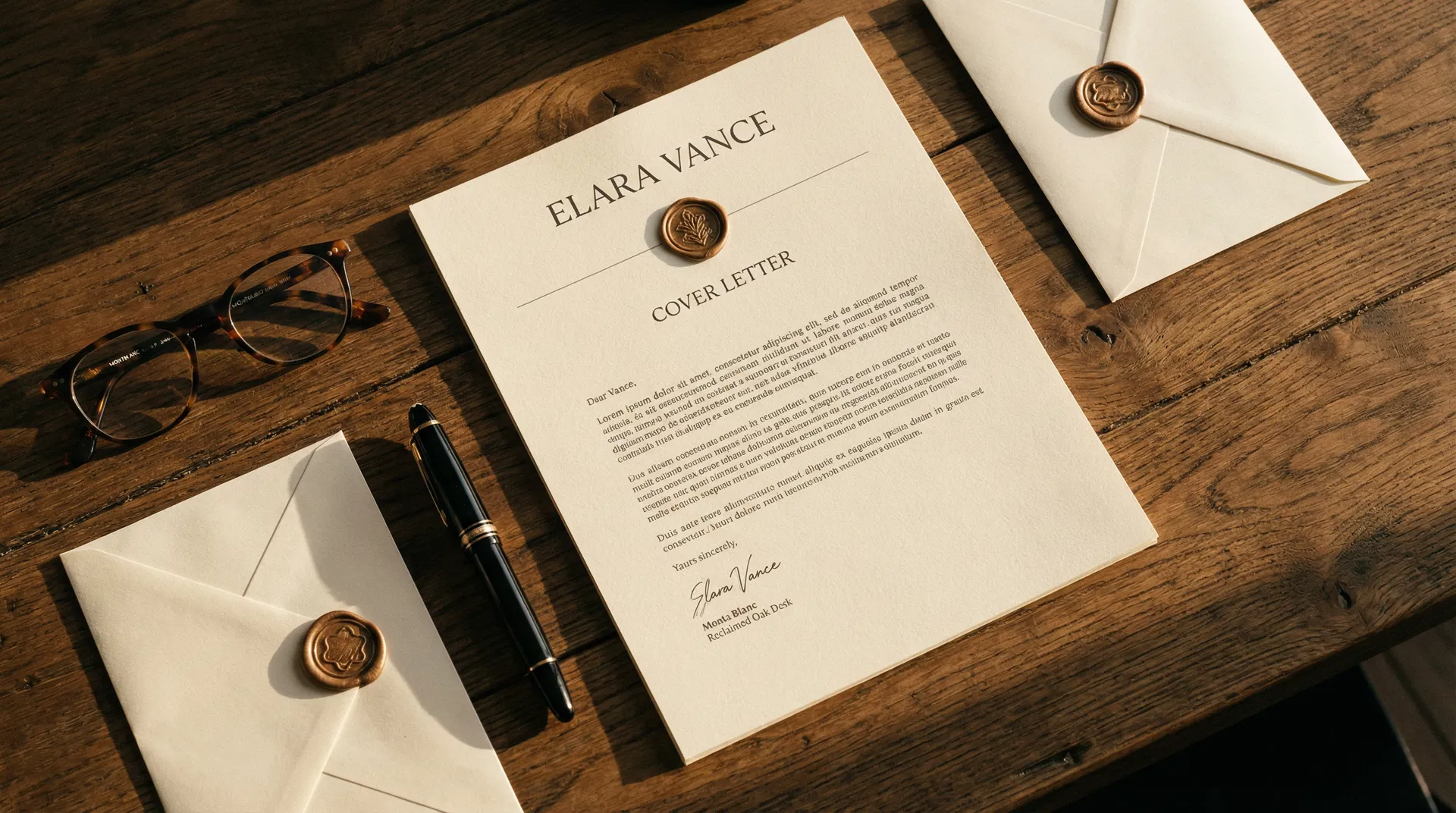
Key Takeaway: While some believe cover letters are obsolete, a well-crafted, modern cover letter is more crucial than ever in 2026. It remains a powerful tool to differentiate yourself, provide context to your resume, and directly address the hiring manager, significantly increasing your chances of landing an interview.
Do People Still Read Cover Letters? How to Write One That Actually Gets Noticed in 2026
Direct Answer: Yes, people absolutely still read cover letters. In 2026, a compelling cover letter is a critical differentiator. Data shows 77% of recruiters give preference to candidates who submit one (ResumeLab), and 50% of hiring managers would interview a candidate with a weaker resume if their cover letter is strong (Crown Staffing).
In a competitive job market, every tool at your disposal matters. While your resume lists your skills and experience, the cover letter tells your story. It’s your first, and often best, opportunity to make a personal connection with a potential employer, showcasing your personality, your passion for the role, and the specific value you can bring to the team. Despite rumors of its demise, the cover letter has evolved, not disappeared. Forbes has even stated that the "cover letter has never been more essential" for the 2026 job market.
This guide will walk you through why cover letters are still a vital part of your job application strategy and how to write a modern one that captures attention and compels hiring managers to call you in for an interview.
Why Cover Letters Still Matter in the Age of AI and Automation
The hiring landscape has been transformed by technology. Applicant Tracking Systems (ATS) can scan thousands of resumes in minutes, and AI tools are increasingly used to screen candidates. So, where does a seemingly old-fashioned document like a cover letter fit in? The answer is: right at the heart of the human element of hiring.
While an ATS can match keywords, it can't gauge enthusiasm, cultural fit, or the story behind your career path. A staggering 89% of hiring professionals still expect to see a cover letter with an application, according to a recent survey (Reddit). It’s the qualitative layer on top of the quantitative data of your resume.
Expert Insight
As someone who has spent over two decades in global logistics and ERP systems implementation, I’ve seen firsthand how crucial clear, concise, and persuasive communication is. When I was hiring for my teams, the cover letter was often the tie-breaker. A candidate who could articulate why they wanted to work in the complex world of supply chain technology and connect their experience to our specific challenges always had an edge. The resume told me what they did; the cover letter told me who they were and why it mattered to us.
The Evolution of the Cover Letter: Old School vs. Modern
The generic, formal cover letter of the past is dead. The modern cover letter is a targeted, dynamic, and personal marketing document. It’s less about formality and more about impact. Here’s how the approach has shifted:
| Old-School Approach | Modern Approach |
|---|---|
| Generic, one-size-fits-all | Highly tailored to the specific job and company |
| Formal and stiff tone ("Dear Sir or Madam") | Personable and direct, using the hiring manager's name |
| Repeats resume information | Complements the resume with context and storytelling |
| Focuses on what the applicant wants | Focuses on what the applicant can do for the employer |
| Long, dense paragraphs | Short, scannable paragraphs, bullet points, and clear formatting |
| Sent as a formality | Sent as a strategic tool to stand out |
How to Write a Cover Letter That Gets Noticed in 2026
Writing a cover letter that works in today’s job market requires a strategic approach. It’s not just about what you say, but how you say it. Follow these steps to craft a compelling narrative that will make hiring managers take notice.
1. Research and Personalize
Before you write a single word, research the company and, if possible, the hiring manager. Look for their name on the company’s LinkedIn page or website. Address your letter to a specific person. This small detail shows you’ve done your homework and are genuinely interested in the role.
Understand the company’s mission, values, and recent projects. What challenges are they facing? What are their goals? Your cover letter should reflect this understanding and position you as a solution to their needs.
2. Nail the Opening
Your opening paragraph is your hook. Don’t waste it with clichés like "I am writing to apply for the position of..." Instead, start with a powerful statement that grabs their attention. You could mention a recent company achievement, a mutual connection, or a key statistic that shows you understand their industry.
Example Opening:
"With the global supply chain facing unprecedented volatility, your company's innovative approach to predictive logistics, as highlighted in your recent Q4 report, is more critical than ever. My decade of experience in optimizing ERP systems for top-tier logistics firms has prepared me to contribute to this mission from day one."
3. Tell Your Story with the "T-Format"
A highly effective modern technique is the "T-Format" or two-column cover letter. This format directly maps your qualifications to the job requirements, making it incredibly easy for a hiring manager to see you’re a great fit.
How it works:
In the body of your letter, create a two-column table. On the left, list the key requirements from the job description. On the right, provide specific examples of how you meet those requirements.
| Their Requirements | My Qualifications |
|---|---|
| 5+ years in supply chain management | 7 years managing a multi-million dollar supply chain for a leading CPG firm, reducing costs by 15%. |
| Experience with SAP ERP systems | Led a successful SAP S/4HANA implementation across three international divisions, improving inventory accuracy by 25%. |
| Strong analytical and problem-solving skills | Developed a predictive analytics model that reduced stockouts by 40% and improved on-time delivery rates. |
Expert Insight
From a hiring manager’s perspective, the T-Format is a game-changer. It cuts through the noise and presents the most relevant information in a clear, digestible format. It shows that the candidate has not only read the job description but has also taken the time to think critically about how their skills align with our needs. It’s a sign of a proactive, results-oriented professional—exactly the kind of person you want on your team.
4. Quantify Your Achievements
Numbers speak louder than words. Whenever possible, quantify your accomplishments. Instead of saying you "improved efficiency," say you "implemented a new workflow that increased team productivity by 20%." This provides concrete evidence of your impact and helps the hiring manager visualize the value you can bring.
5. Show, Don’t Just Tell
Your cover letter is your chance to showcase your personality and passion. Let your enthusiasm for the role and the company shine through. Use strong, active language and a confident tone. This is particularly important for roles in fast-paced industries like tech and supply chain, where a proactive and energetic attitude is highly valued.
6. The Closing: A Call to Action
End your cover letter with a clear and confident call to action. Reiterate your interest in the role and suggest the next step. Don’t be passive. Instead of "I look forward to hearing from you," try something more proactive.
Example Closing:
"I am confident that my experience in supply chain optimization and ERP implementation can help [Company Name] achieve its goals. I am eager to discuss how my skills can contribute to your team's success and am available for an interview at your earliest convenience."
Your Cover Letter is Your Secret Weapon
In a job market where 50% of hiring managers say a strong cover letter could persuade them to interview a candidate with a weaker resume (Crown Staffing), neglecting this powerful tool is a missed opportunity. The cover letter is your chance to go beyond the bullet points on your resume and make a genuine connection.
It’s where you can explain a career gap, articulate your passion for a new industry, or highlight the soft skills that make you a great team player. It’s your personal pitch, your professional story, and your best chance to make a memorable first impression.
Take the Next Step with AI Career Insight
Ready to write a cover letter that gets you noticed? The old way is time-consuming and often leads to generic, ineffective letters. The new way is faster, smarter, and more effective.
Don't let a blank page hold you back. Generate a tailored, professional cover letter for any job description in just one click. Our AI-powered tool helps you craft a compelling narrative that highlights your strengths and aligns with the specific requirements of the role. Stand out from the competition and land the interview you deserve.
Generate your tailored Cover Letter now at aicareerinsight.com/cover-letter